Creating a comfortable living environment involves many factors, and lighting plays a crucial role. Proper home lighting not only improves visibility but also sets the mood, supports your daily activities, and can even affect your well-being. Choosing lighting that feels cozy and works well with your space can be a challenge, but with the right approach, you can transform your home into a warm and inviting place. Here are some helpful tips to guide you in selecting comfortable home lighting.
Understand the Basics of Lighting
Before diving into fixtures and bulbs, it’s important to understand the three main types of lighting that work together to create a balanced environment:
– Ambient lighting: This is the general illumination that lights up the entire room. It provides overall brightness and helps you move around safely.
– Task lighting: This lighting focuses on specific areas where you perform activities such as reading, cooking, or working.
– Accent lighting: Used to highlight artwork, architectural features, or decorative items, accent lighting adds depth and interest to the space.
Combining these layers of lighting helps achieve both comfort and functionality in your home.
Choose the Right Bulbs for Comfort
The type of bulb you use can greatly influence the ambiance of your room.
– Color temperature: Measured in kelvins (K), it determines whether light looks warm or cool. For comfortable home lighting, aim for warm white bulbs between 2700K and 3000K. These colors create a cozy, inviting atmosphere.
– Brightness: Measured in lumens, it’s important to select a bulb bright enough for the space but not so bright that it feels harsh. For general living areas, about 800 lumens per fixture is common, but adjust based on room size and purpose.
– Dimmable bulbs: Installing dimmable bulbs gives you control over light intensity, letting you adapt lighting throughout the day or for different activities.
Plan Lighting According to Room Function
Different rooms have different lighting needs.
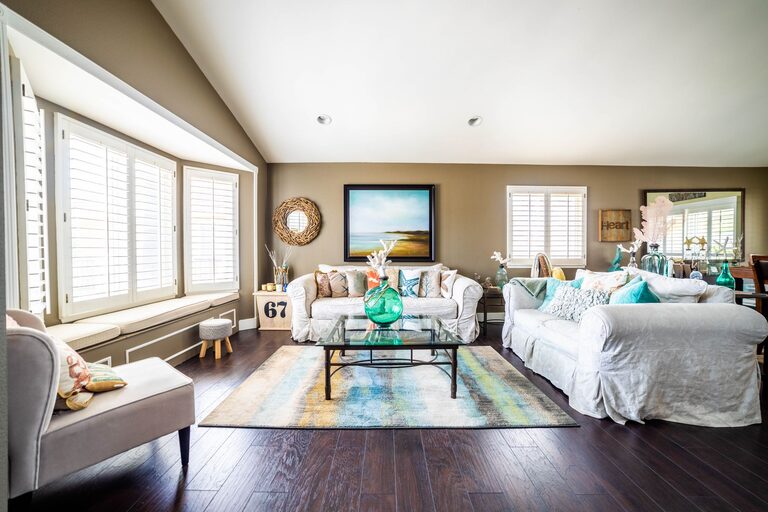
Living Room and Family Room
– Use layered lighting with a mix of ambient, task, and accent fixtures.
– Consider floor lamps and table lamps for reading or relaxing.
– Soft, warm lighting promotes a cozy atmosphere here.
Kitchen
– Bright, cool lighting makes it easier to perform tasks like chopping and cooking.
– Use under-cabinet lights for focused task lighting on countertops.
– Avoid overly harsh lighting to reduce glare.
Bedroom
– Soft, warm lighting helps create a relaxing environment for rest.
– Bedside lamps with adjustable brightness are great for reading.
– Use dimmers or smart bulbs to customize light levels.
Bathroom
– Opt for bright, natural white lighting near mirrors to help with grooming.
– Avoid shadows by using lights positioned on either side of your face.
– Use moisture-resistant fixtures to ensure safety.
Consider Fixture Style and Placement
Lighting fixtures should not only provide good illumination but also complement your decor style.
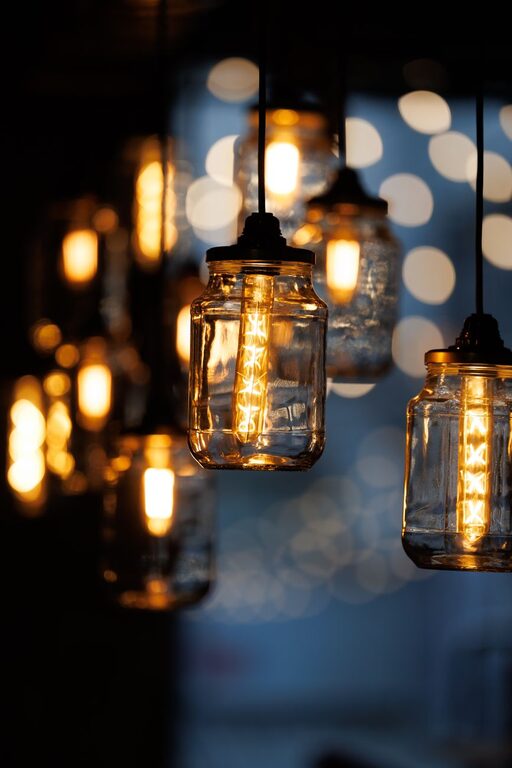
– Choose fixtures that reflect your personal taste, whether modern, traditional, or rustic.
– Position ceiling lights centrally to distribute ambient light evenly.
– Use adjustable fixtures like track lights or swing-arm lamps to target specific areas.
– Avoid placing bright lights directly in your line of sight to prevent discomfort or glare.
Use Natural Light to Enhance Comfort
Natural daylight is the most comfortable and beneficial light source.
– Maximize natural light with sheer curtains or blinds that can diffuse sunlight without causing glare.
– Position mirrors across from windows to reflect daylight deeper into the room.
– Consider skylights or light tubes in darker spaces.
– Balance natural light with artificial lighting for cloudy days or nighttime.
Improve Energy Efficiency and Longevity
Comfort isn’t just about how lighting feels but also how it impacts your home’s overall environment.
– Choose LED bulbs, which use less energy and last longer than traditional incandescent bulbs.
– LEDs produce less heat, contributing to a cooler and more comfortable room.
– Use timers or motion sensors to avoid wasting energy when rooms are unoccupied.
– Incorporate smart lighting systems to control brightness and color remotely.
Pay Attention to Lighting Quality
Good quality lighting improves comfort and reduces eye strain.
– Look for bulbs with a high color rendering index (CRI) of 80 or above. CRI measures how accurately light reveals colors compared to natural light.
– Avoid flickering lights, especially in task areas, by choosing high-quality bulbs and fixtures.
– Regularly clean light fixtures to maintain brightness and quality.
Final Thoughts
Choosing comfortable home lighting involves more than just picking pretty lamps. By understanding how different types of lighting work, selecting the right bulbs, planning according to room function, and enhancing natural light, you can create a warm and inviting atmosphere. Don’t forget to consider energy efficiency and fixture quality, so your lighting remains pleasant and sustainable for years to come.
With these tips, you’re well on your way to designing a well-lit home that looks great and feels even better!
About the Author